
Is 1tb Storage Wnough Fot PC Gaming? What You Need to Know
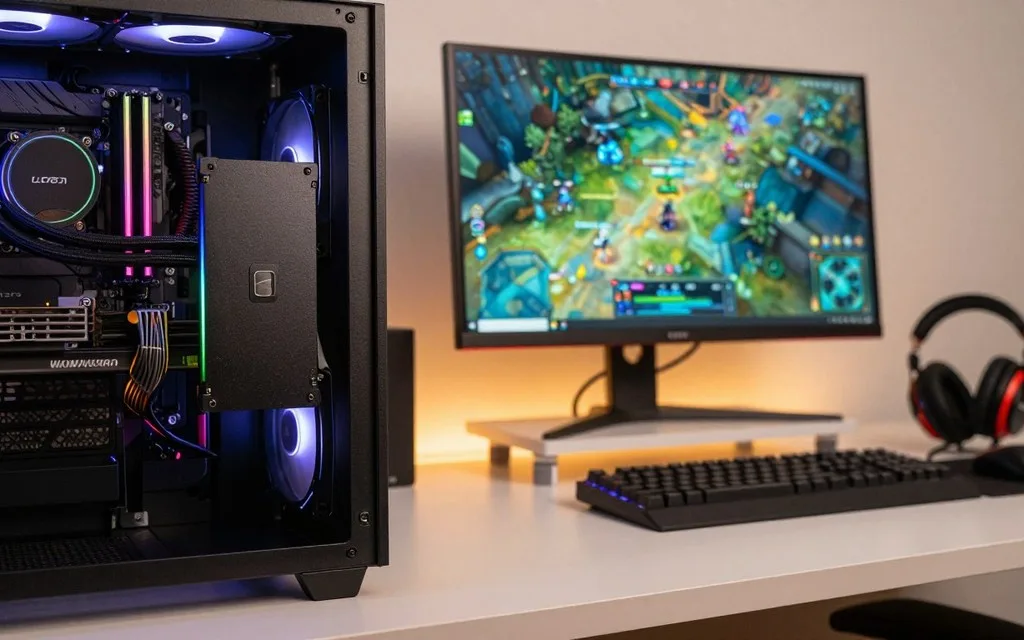
A 1TB SSD is enough for PC gaming if you keep a manageable rotation installed, but a larger library can make 2TB the more comfortable choice. Your drive also has to hold Windows, apps, games, and personal files, so game sizes and your uninstall habits shape how much room feels available. A gaming desktop and a laptop face the same trade-off, though a laptop may have fewer upgrade options. If you mostly play smaller games, you can keep more titles installed than someone saving several large releases for later. You’ll get a practical way to match capacity to your habits, rather than guessing from the label alone. Think of 1TB as a starting point for your active library.
Key Takeaways
- A 1TB SSD can suit a small, changing game rotation.
- Windows, apps, and personal files also use drive space.
- Large releases can make available capacity feel tight sooner.
- Two terabytes gives a larger installed library more room.
- Check your PC’s slots and compatibility before upgrading.
Treat 1TB as a practical starting point, not a promise that every game and file will fit indefinitely.
Is 1TB Storage Wnough Fot PC Gaming Enough?
A drive labeled 1TB appears as 930 GiB in Windows after formatting, so its displayed capacity is already below the number on the box. GiB is a binary unit Windows uses to display drive capacity, while drive labels use decimal units such as GB and TB.
Formatting and the file system affect the displayed capacity. A 1TB storage drive can work for a gaming PC, but Windows and your other files need room too.
Do not treat Windows’ minimum storage requirement as the amount to reserve for your whole computer.
How Much of a 1TB SSD Is Usable?
The difference between the label and Windows’ display comes from the units used to measure capacity. Drive labels use decimal units, while Windows displays capacity in binary units.
For comparison, a 512GB SSD shows as 476 GiB in Windows after formatting. A 256GB SSD shows as 238 GiB. A 1,000GB SSD shows as 930 GiB, though the usable figure varies by SSD model and file system.
What Windows 11 Leaves for Games and Apps
Windows 11 requires at least 64 GB of storage, and updates or specific features may require more. That minimum is a system requirement, not a useful estimate for a complete gaming PC.
Your operating system, apps, updates, saves, recordings, and personal files all take space. The amount left for games changes as those files grow, so the operating system is only one part of your storage needs.
Keep a little working room for updates and everyday use. A drive that is nearly full can leave you juggling installs and downloads at inconvenient times.
Why Game Installs Change the Calculation
Game sizes differ, and some titles add large updates or optional content after installation. A game you finished can still occupy space until you remove it.
That means two PCs with the same SSD capacity can have very different free-space figures. One might hold a few games and essential apps; another might also store captures, creative projects, and downloads.
Look at the free-space figure in Windows on the computer you actually use before deciding how much room remains for games.
When Does 2TB Make More Sense Than 1TB?
Choose 2TB if you want several large games ready to play without frequent uninstalling; 1TB is a more workable minimum for a smaller rotation. More installed space matters when your library includes modern games, add-ons, and files beyond the games themselves.
A high-end AAA game can use more than 100GB, so a handful of large titles can take a noticeable share of usable capacity. The exact number of games that fit depends on their size and the room your other files need.
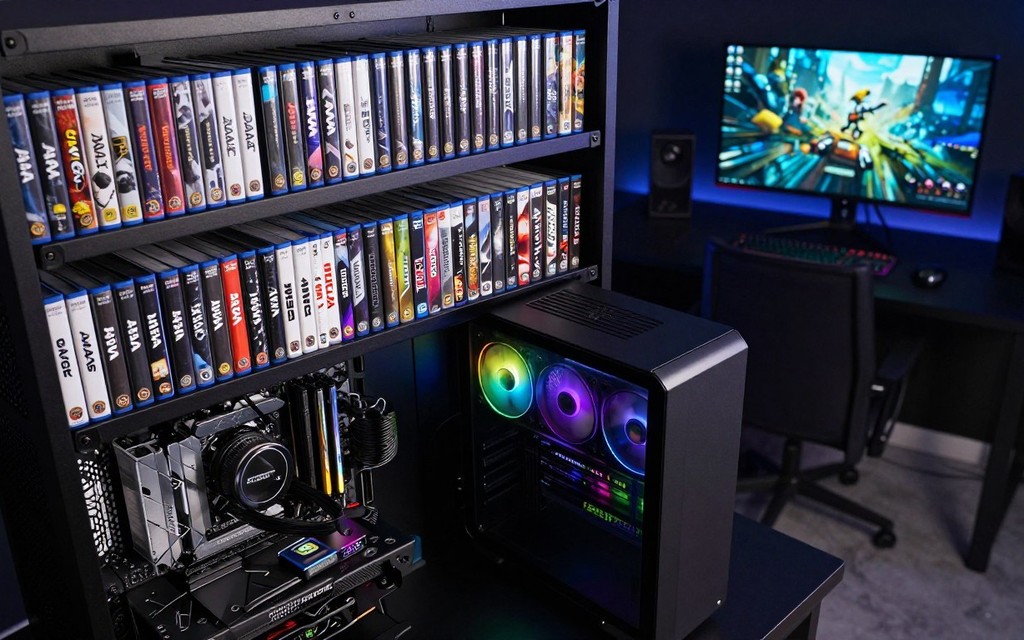
In 2026, Tom’s Hardware recommends 1TB as the minimum SSD capacity for a PC boot drive, citing Windows 11 and AAA game storage needs. That makes 1TB a reasonable starting point, not a guarantee that every title you want will stay installed.
Two terabytes is often called the storage-capacity sweet spot because it leaves more room for several large titles. A 4TB drive or larger can suit you if you want an expansive installed library or need space for creative files.
A 1TB SSD can remain workable if you mostly play smaller games or uninstall titles after finishing them. Your habits matter as much as the number printed on the drive.
- Typical game size: large modern games use more room than smaller titles.
- Games installed: keeping more titles ready uses more capacity.
- Mods or add-ons: extra content adds to a game’s storage footprint.
- Recordings or other large files: captures and projects compete for space.
Check those four factors against what you currently keep on your PC. If you expect your installed library to grow, choosing the larger capacity upfront avoids turning every new game into a space trade-off.
What Should You Compare When Buying a Gaming SSD?
A 1TB NVMe SSD is a good gaming drive when it provides enough room for your installed library and matches your PC’s supported interface. Capacity and compatibility should guide your choice before peak speed or a premium label.
An SSD can reduce loading times and help games stream assets, but storage capacity does not guarantee higher frame rates. Your graphics card, processor, and the game itself affect frame rates.
Is a 1TB NVMe SSD Good for Gaming?
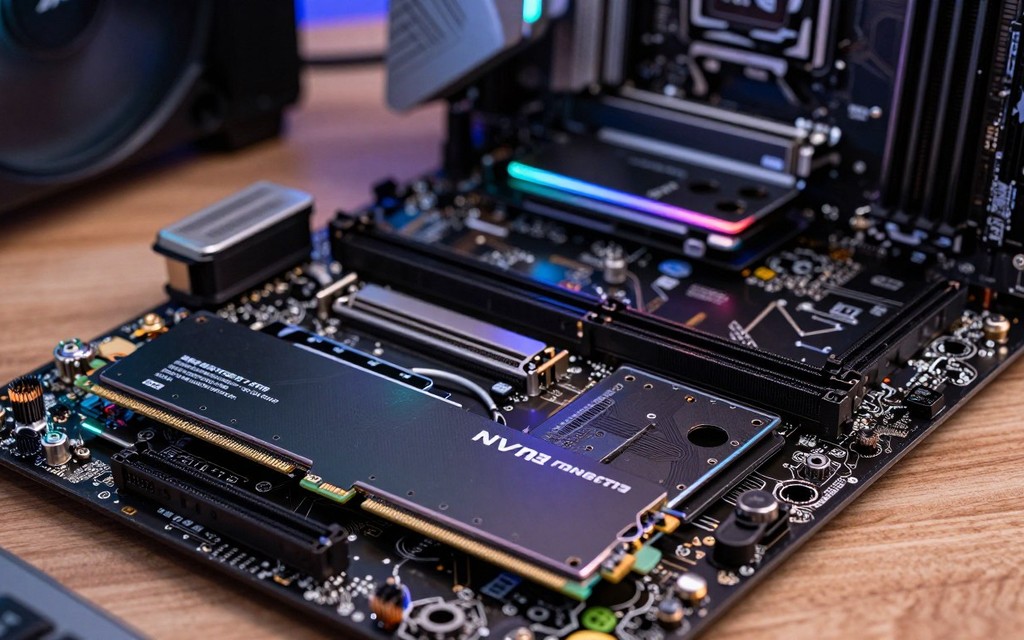
Yes, a 1TB NVMe SSD works well for gaming when its capacity suits your library and your PC supports the drive. NVMe SSDs connect through the PCIe interface, but the supported generation depends on the computer.
PCIe Gen 3, Gen 4, and Gen 5 drives are not interchangeable in performance terms. A Gen 5 drive needs compatible hardware to reach Gen 5 speeds, and a newer drive cannot make an older system support them.
How Do Budget and Premium Drive Prices Compare?
These 2026 U.S. price-tracking examples show differences among specific models, not guaranteed prices for every SSD at that capacity.
| Capacity | Drive model | Listed U.S. price |
|---|---|---|
| 1TB | Silicon Power UD90 | $150 |
| 1TB | TeamGroup MP33 | $149 |
| 1TB | Samsung 990 Evo Plus | $237 |
| 2TB | Silicon Power UD90 | $245 |
| 2TB | Samsung 990 Pro | $409 |
Other tracked examples include the 1TB Samsung 990 Pro at $259 and the 1TB WD Black SN850X at $247. The 2TB TeamGroup MP33 was $249, while the 2TB WD Black SN850X was $439.
The difference in price can reflect capacity, drive design, and performance class. Compare the model and capacity you want, rather than assuming every 1TB SSD costs the same.
What Speeds Do Higher-End Models Offer?
The Samsung 990 Pro is available in 1TB, 2TB, and 4TB capacities. Its listed sequential speeds reach up to 7,450 MBps for reads and 6,900 MBps for writes.
The WD Black SN850X comes in 1TB, 2TB, 4TB, and 8TB capacities, with sequential reads up to 7,300 MBps and writes up to 6,600 MBps. Those are peak sequential figures, not a promise of matching gains in every game.
For gaming, a higher number on the box does not automatically make a drive the better buy. Check your motherboard or laptop specifications for supported PCIe generations before paying extra for a drive whose top speed your system cannot use.
How Can You Add Storage Without Replacing Your Main Drive?
The easiest upgrade is an additional internal M.2 SSD when your PC has a compatible open slot. An added drive can give games and files their own place while Windows stays on your main SSD.
Check the exact PC or motherboard model before buying an internal drive. M.2 is the interface used by compact internal SSDs, and the available slot determines which drives your computer supports.
Gaming laptops sometimes have a second M.2 slot, but that feature is not universal. Drive size and interface support can also vary between models, even within one laptop line.
- Add an internal M.2 SSD if your PC has a compatible open slot.
- Replace the main SSD with a larger one if no suitable slot is available.
- Use an external SSD for apps and files that suit external storage.
A single large SSD keeps your storage together and makes one drive easier to manage. Two smaller drives can keep Windows separate from games, and replacing a game drive later can leave the system drive untouched.
An external SSD is useful for files and some apps without opening your PC. The Corsair EX400U was listed around $119 for 1TB and around $189 for 2TB in 2026.
In testing, the EX400U delivered sequential read speeds above 4,000 MBps. Its sustained write speeds typically stayed between 1,600 and 1,700 MBps for 15 minutes. The external SSD can run apps directly, making it a better fit than an external hard drive for that use.
Do not assume an external SSD meets every game’s storage requirements.
Windows 11 DirectStorage requires an NVMe SSD to store and run games using the Standard NVM Express Controller driver. It also requires a DirectX 12 GPU with Shader Model 6.0 support.
An external SSD can suit ordinary files, recordings, and apps, but DirectStorage-compatible games have specific hardware requirements. Before ordering an internal drive, verify the available slot, supported drive size, and interface in the exact PC or motherboard specifications.
Conclusion
For a small game rotation, start with 1TB; for a larger always-installed library, choose 2TB if the budget allows. The first option can work well when you remove finished games and keep other files in check. The second leaves more breathing room for large titles you want ready without frequent cleanup.
Your own installed library is the best guide. Check the games and large files already on your PC, then account for titles you want to keep available. Count the games and large files you plan to keep installed, then pick the drive capacity that accommodates that list.
FAQ
How much storage is best for gaming?
Two terabytes is the storage-capacity sweet spot for many gamers, while 1TB can suit a smaller installed rotation. Choose based on the games you keep ready, plus your apps and personal files. Large releases, mods, and recordings use room quickly. If you regularly uninstall completed games and mostly play smaller titles, a 1TB SSD may fit your habits.
Is 1TB SSD good for a gaming PC?
Yes, a 1TB SSD is a practical starting point for a gaming PC with a smaller game library. Windows shows a 1TB SSD as 930 GiB after formatting, and the usable figure can vary by model and file system. Your operating system, apps, updates, and personal files also use capacity, so the full displayed amount is not available for games.
Do I need 512GB or 1TB SSD?
A 1TB SSD is the more practical gaming boot-drive starting point for most small game rotations. A 512GB SSD shows as 476 GiB in Windows after formatting, leaving less room for games, apps, and personal files. Choose 512GB only if you keep few games installed or are comfortable removing titles to make space.
Which is better for me, a 256GB SSD or a 512GB SSD?
A 512GB SSD is better for gaming because it gives you more space, though both capacities can feel tight. Windows displays about 238 GiB from a 256GB SSD and 476 GiB from a 512GB SSD after formatting. The operating system, apps, and updates use part of that room before you install games.
Is 512 GB enough for 4 years?
A 512GB SSD has no fixed four-year capacity guarantee; Windows displays it as 476 GiB after formatting. Whether that lasts depends on the games you install, how large they become, and how often you remove finished titles. Recordings and other large files can also use room. Review your habits and current files before relying on that capacity long-term.
Is 256GB enough for Windows 11?
Yes, a 256GB SSD meets Windows 11’s minimum requirement of 64 GB, but it leaves limited room for games, apps, and updates. Windows displays about 238 GiB after formatting, and the operating system is only one part of a PC’s storage use. It can work for basic Windows use, but it is a tight choice for gaming.
If you want to dig further into what is durashock technology rugged footwear, read our What Is DuraShock Technology Rugged Footwear guide.
If you want to dig further into how technology impacts world global changes a, read our How Technology Impacts World Global Changes a guide.
If you want to dig further into what is cold wash technology cleaning clothes, read our What Is Cold Wash Technology Cleaning Clothes guide.


Leave a Reply